

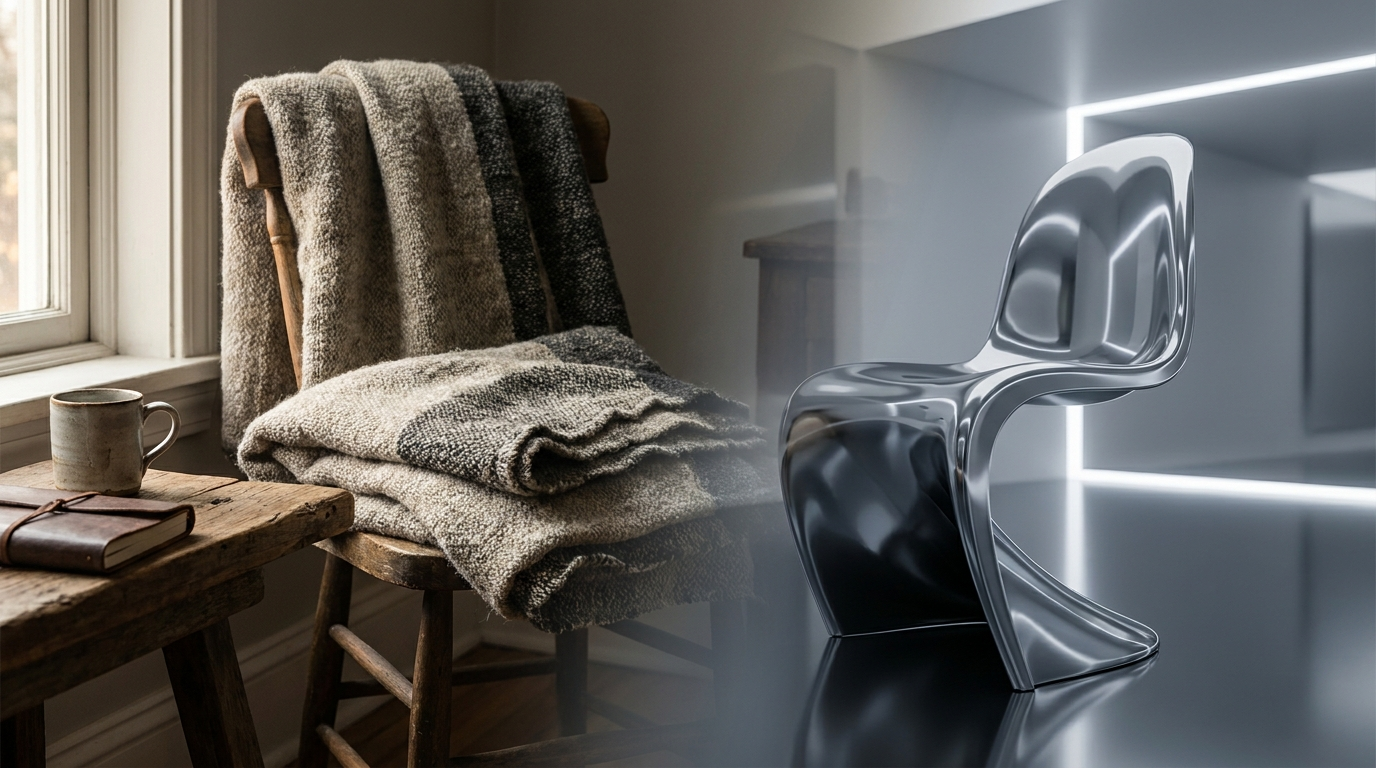
2026's defining product photography trend is deliberate imperfection. After years of retouching every blemish and smoothing every texture, photographers and brands are deliberately keeping fabric wrinkles, natural shadow variation and unposed lifestyle context in frame (Squareshot, 2026). The reasoning: as AI-generated imagery floods every feed, audiences are drawn to the visual cues that read as human rather than manufactured.
The Trend Working Against Everything CGI Promises
That's a direct challenge to CGI's core sales pitch. A render's entire value proposition is control - every surface, shadow and reflection exactly as specified, with zero flaws to retouch. If buyers are actively rewarding visible imperfection, a studio pitching flawless CGI is selling the opposite of what the market currently wants.
Why This Isn't an Argument Against CGI
The imperfection trend is really a trust signal, not a technical preference. Buyers aren't rejecting polish because it looks bad - they're rejecting it because too much of it now looks synthetic, and they've learned to be suspicious of images that seem too clean. That's a reaction to the volume of AI-generated and AI-retouched imagery flooding feeds, not a verdict on 3D visualization itself.
CGI for a product that doesn't exist yet, or a development that isn't built, was never competing with a real photograph in the first place - there's nothing to fake. The imperfection backlash is aimed at photography dressed up to look more perfect than reality, and at synthetic images pretending to be photographs. A render that's honestly presented as a render doesn't fall into either trap.
Where the Two Actually Compete
The genuine tension shows up when a studio is choosing between CGI and photography for something that already physically exists - a finished show home, a manufactured product, a completed interior. That's where the imperfection trend bites: hyper-polished CGI of something real can now read as less trustworthy than an honestly imperfect photograph of the same thing, even when the CGI is technically more accurate.
Squareshot's 2026 trend research points at the same shift showing up in lighting choices, texture close-ups and lifestyle staging - brands are choosing "lived-in" over "aspirational" specifically because it converts better with an audience fatigued by manufactured perfection (Squareshot, 2026). For any product category where texture and material honesty matter, furniture, apparel, anything tactile, that shift is measurable, not just a vibe.
The Practical Split
The decision isn't CGI versus photography anymore, it's matching the tool to what's actually being sold. Pre-completion marketing (off-plan property, a product still in tooling, anything that doesn't physically exist to photograph) stays CGI's territory, and the imperfection trend doesn't touch it, because there's no real version to compare against. Marketing for something finished and real benefits from leaning into photography's imperfection advantage, or from CGI deliberately restrained to look less airbrushed than it technically could: texture visible, lighting less uniform, staging less showroom-perfect.
That second option is worth raising with a visualization partner directly: ask whether their CGI pipeline can dial back toward photographically honest rather than defaulting to maximum polish on every job. Studios that can do both, true-to-life restraint when a client needs it and full aspirational polish when they don't, are better positioned than either a pure-CGI or pure-photography shop for a market that's using imperfection as a trust signal.
Frequently Asked Questions
Does the imperfection trend mean CGI is losing ground to photography?
No. It means audiences are rewarding perceived honesty over polish, specifically for products or spaces that already exist. CGI for anything pre-completion, like unbuilt property or unreleased products, isn't affected, since there's no photograph to compare it against.
Should marketing teams stop commissioning highly polished CGI?
Not universally, it depends what's being sold. Pre-completion marketing still benefits from full CGI polish. Marketing for something finished and real is where dialling back the gloss, or leaning on photography's natural imperfection, now performs better.
Can CGI be made to look less "perfect" deliberately?
Yes. Visible material texture, less uniform lighting and more natural staging can all be built into a render brief. Ask your visualization partner whether their pipeline supports restrained, photographically honest CGI as an option, not just maximum-polish renders by default.
Is this trend specific to any product category?
It's strongest where texture and material honesty matter to the buying decision: furniture, apparel, home goods, anything tactile. Categories sold on precision and spec, like tech hardware or luxury watches, still lean toward polished, detail-forward imagery.
