

Octane Capital analysed more than 1,100 live new-build listings in England and found 13% had been on the market for over six months. That is roughly one in eight. Another 4% had passed the one-year mark. If one of those is yours, the reflex is a price cut. It should be the last move, not the first.
The stock problem is real
Octane's data, reported by Property Industry Eye in August, puts around 4,400 homes in that six-month-plus bracket, based on an estimated 34,831 new-build listings across England. Only 14.5% of the listings had cut their asking price. Developers are protecting scheme values rather than chasing a fast sale, which leaves capital tied up in finished buildings.
Most sellers are holding price. So a buyer comparing your scheme with the resale home down the road is comparing two things they can inspect, and the resale home often wins on how soon they can move in.
What a stale listing fails to answer
London Property News reported in May that new-build buyers want specifics before they commit: what the shared spaces will look like, how the building sits on its street, whether the balcony is usable, and why this home beats a comparable resale. Floor plans and amenity lists do not answer those questions.
Many schemes launch on CGI made before the building was finished. That imagery shows design intent. Once the building is complete, buyers can compare it with the real thing, and a listing still carrying pre-construction visuals with unbuilt landscaping can read as out of date or unfinished.
Why a price cut is the weaker first move
A price cut fixes one objection: cost. It does nothing for the buyer who cannot picture living there, and it tells the market the first price was wrong. New-builds already carry a premium, which Yopa put at 30.5% over existing homes in October 2025, so buyers are checking whether the marketing earns it.
Fix the information gap first. If enquiries pick up, you kept your margin. If they do not, you have lost nothing and the price conversation is better informed.
What a targeted visual refresh includes
Keep it focused on the questions buyers cannot currently answer. Four assets do most of the work on completed stock.
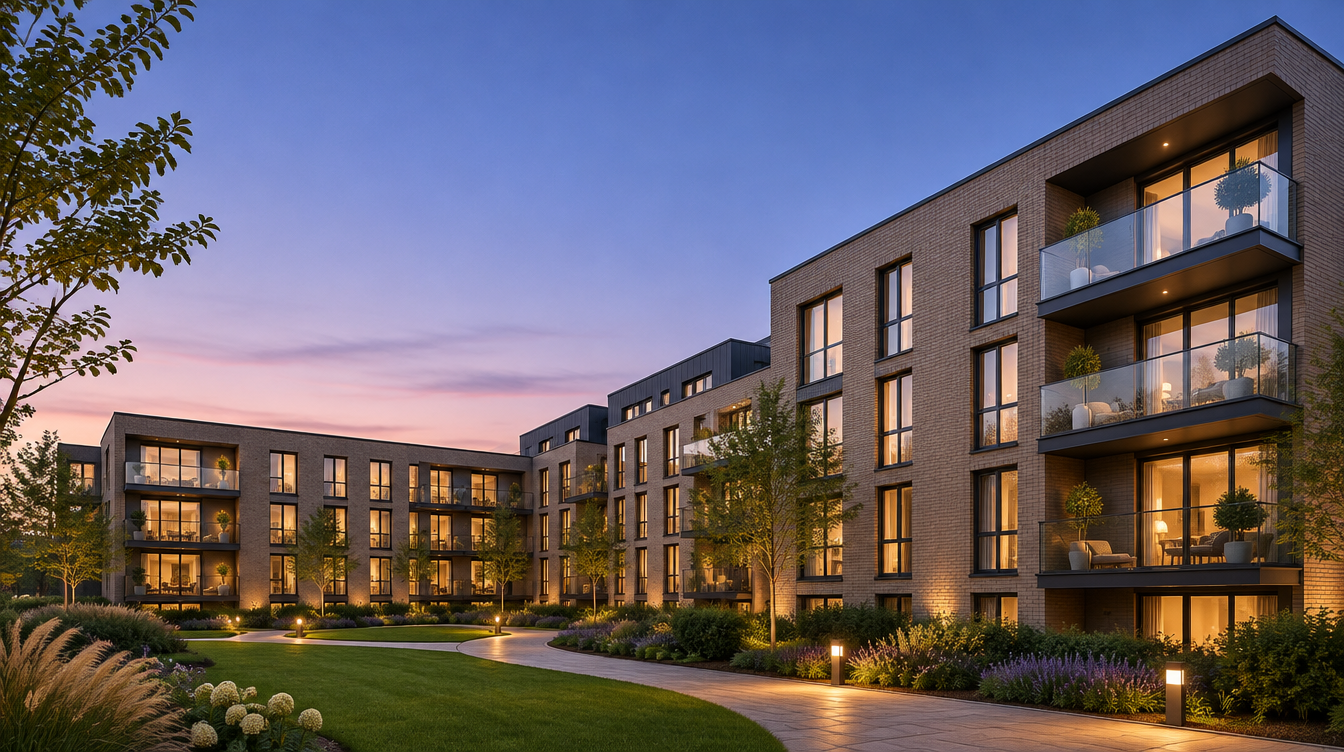
Updated exterior and context CGI. Show the finished building with mature landscaping, the real street and the neighbouring buildings, in daylight and at dusk.
Furnished interior CGI of the unit types still available. An empty show home does not answer how a space feels. Furnished visuals matched to the real finishes do.
Photography of what has been built. Use real photography for the completed shell, communal areas and street view, and CGI for lifestyle scenes and layouts you cannot shoot.
One consistent image set. Portal listings, the brochure, the website and the sales-office screens should all use the same updated images, so the scheme looks like one product.
Label what is CGI and what is photography
AI-altered listing images are under growing scrutiny. Real Estate News reports that California's AB 723 already requires disclosure of digitally altered images in real estate marketing, with Wisconsin following in 2027. Mark CGI as CGI and leave real photography unaltered. Clear labelling protects the scheme and builds the trust that unsold stock needs.
Where to start
Audit the listing first. Put your current images next to the built reality and list the questions a buyer still cannot answer from them. Refresh the assets that close those gaps, relaunch with the new set, and only revisit price if enquiries stay flat.
Quick answers
How many new-build homes in England are unsold after six months?
About 13%, or roughly one in eight, of the 1,100+ live listings Octane Capital analysed. On its estimate that is around 4,400 homes across England.
Should developers cut the price on unsold new-builds first?
Not necessarily. If buyers cannot judge the finished home from the listing, a price cut leaves that problem in place, so fix the visuals and information before reducing the price.
What visuals help sell completed but unsold homes?
Updated exterior CGI showing the finished building in its real context, furnished interior visuals of the unit types still available, and photography of what has been built.
